


You do not have to guess whether you are using the correct muscles.
EMG biofeedback allows you to see your muscle activity and take a more active role in your rehabilitation.
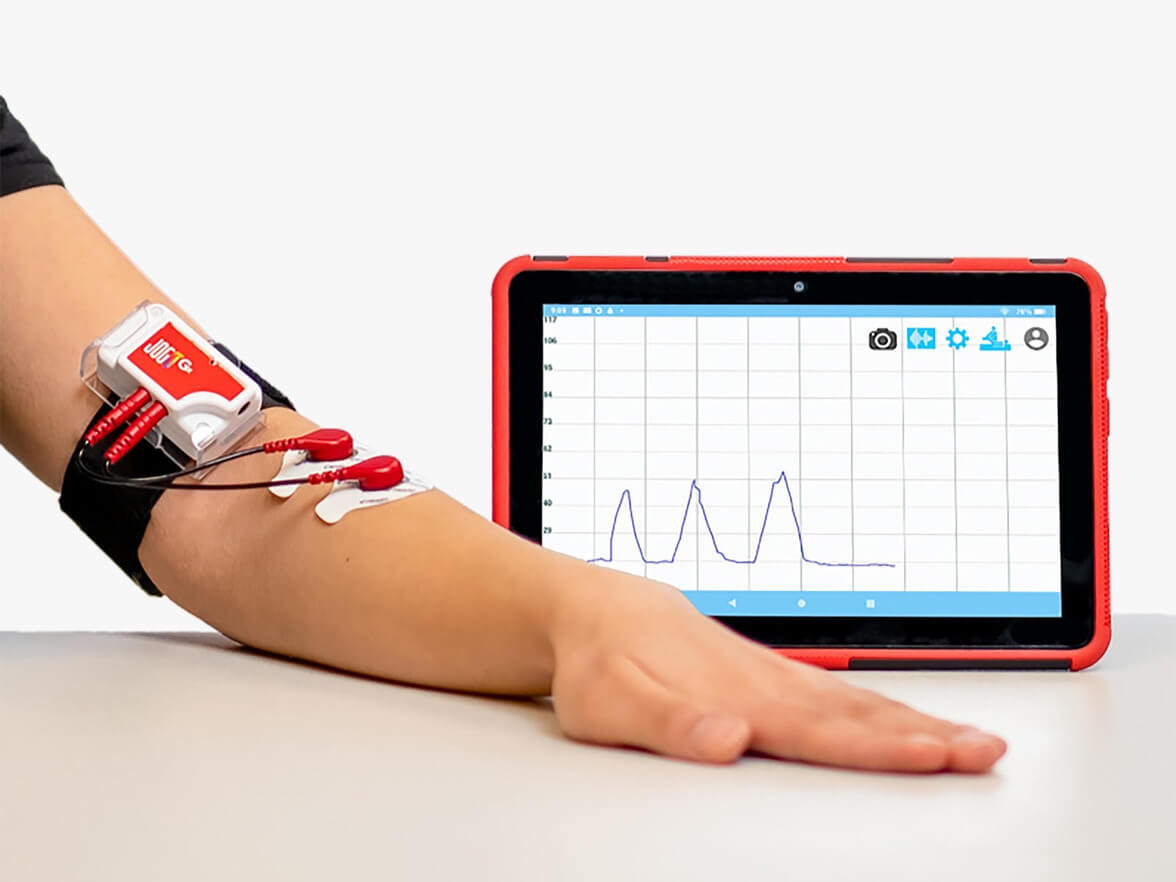
Schedule an EMG Biofeedback EvaluationInnovative Physical Therapy offers JOGO-Gx, a prescription surface EMG biofeedback device that helps patients practice muscle control, relaxation, and activation. Sensors placed on the skin measure muscle activity, while an app provides immediate visual and sound feedback.
Designed for use during therapy and at home, JOGO-Gx helps patients continue clinician-directed exercises between visits and allows providers to review session activity and progress.
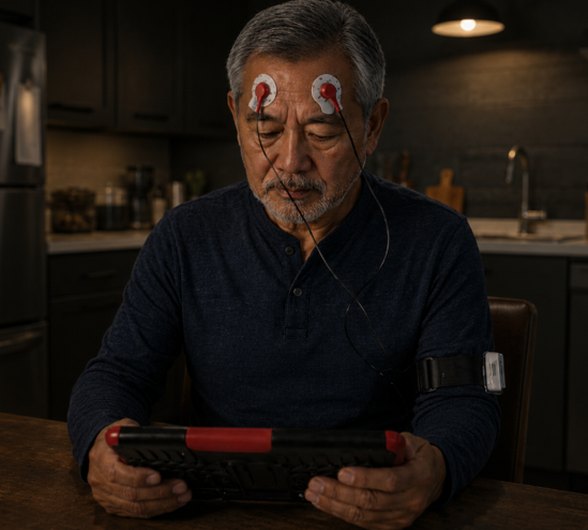
JOGO-Gx combines advanced surface sensors with proprietary signal processing to measure muscle activity and turn it into easy-to-understand feedback. Multiple display modes and sound cues help patients recognize muscle activation and relaxation during guided exercises.
JOGO-Gx brings feedback beyond the therapy session. Its portable, wireless design supports practice at home, while connected software gives clinicians access to session history to help guide ongoing care.
sEMG biofeedback may be incorporated into a personalized treatment plan to support muscle relaxation, coordination, or activation.
Your clinician will determine whether it is appropriate for your condition.
EMG biofeedback is a treatment that helps your brain relearn how to control your muscles.
EMG biofeedback works on the principles of neuroplasticity. Neuroplasticity is the brain's capacity to reorganize itself by forming new neural connections, strengthening active pathways, and pruning unused ones in response to experience, learning, or injury.
During a JOGO EMG Biofeedback session, small sensors are placed on the skin over the muscles being treated. The sensors measure muscle activity and display it on a screen.
This lets your brain see when a muscle is tightening, relaxing, or working correctly.
With guidance from a physical therapist, your brain learns how to change your muscle activity. Over time, this helps your brain relax muscles that are too tense or activate muscles that are weak or not working properly.
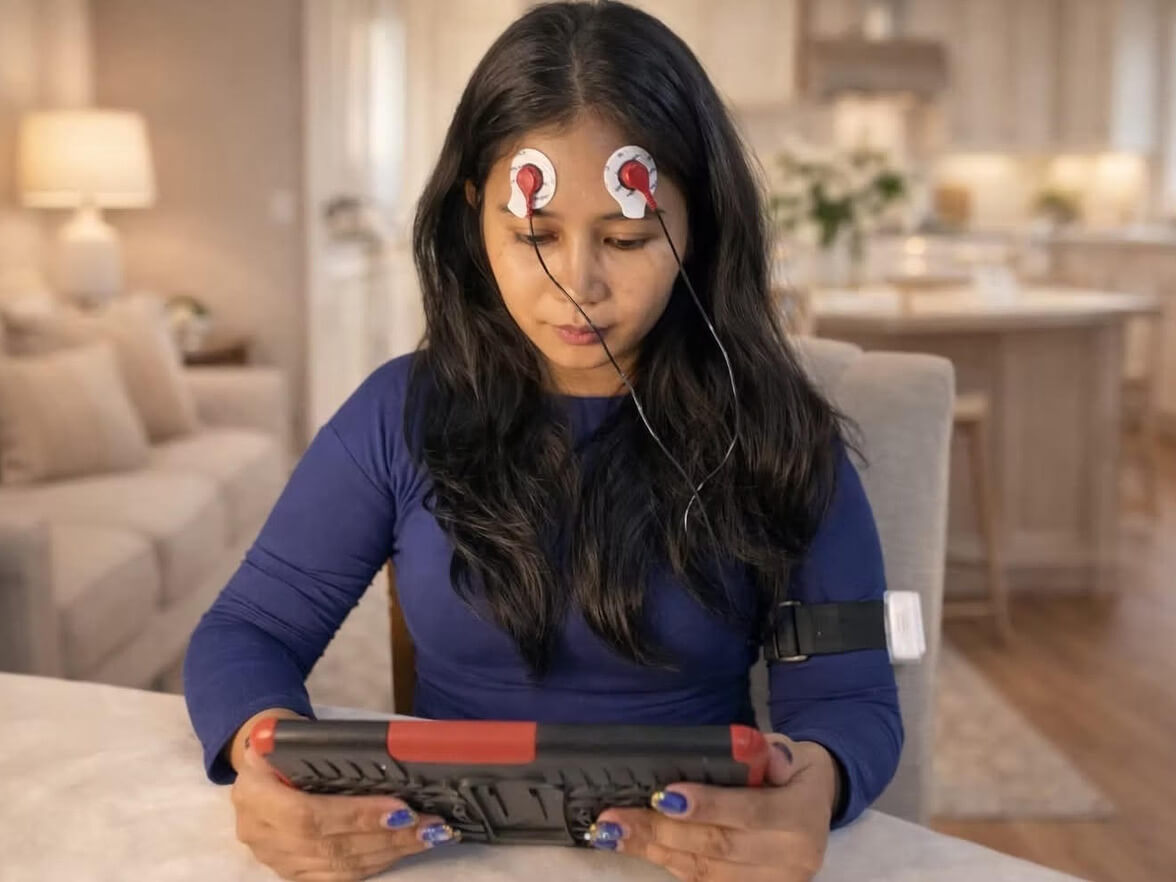
The sensors only measure muscle activity. They do not send electrical stimulation into your muscles.
EMG biofeedback is generally considered safe.
The sensors are placed on the surface of the skin and do not deliver electrical stimulation.
Some people may have mild skin irritation where the sensors are placed.
Talk with your physical therapist if you have questions about whether EMG biofeedback is right for you.
Usually, no special preparation is needed.
Wear comfortable clothing that allows your physical therapist to place sensors over the muscles being treated.
Your physical therapist will explain where the sensors will be placed and what muscles you will be working on.
Your healthcare professional may use EMG biofeedback along with physical therapy, exercise, or other treatments.
At Innovative Physical Therapy, we use EMG biofeedback as part of individualized physical therapy programs. Select a condition below to go directly to the detailed section:
Muscle tension and stress may contribute to migraine symptoms or make migraine attacks more difficult to manage. Some patients experience persistent tension in the forehead, jaw, neck, or shoulders without realizing how frequently these muscles remain activated.
EMG biofeedback allows patients to see muscle activity in real time and practice reducing unnecessary tension. Treatment may help patients:
EMG biofeedback may be incorporated into a broader migraine-management program that includes therapeutic exercise, postural correction, breathing techniques, relaxation training, lifestyle education, and coordination with the patient’s physician or headache specialist.
EMG biofeedback does not replace medications or other treatments prescribed by a medical provider. It may be used as a non-pharmacological component of an individualized migraine treatment plan.
Back to Conditions We TreatTension-type headaches are frequently associated with persistent muscle activity in the forehead, jaw, neck, and shoulders.
Patients may unintentionally maintain these muscles in a partially contracted state throughout the day, particularly during periods of stress, prolonged computer use, driving, studying, or poor posture.
EMG biofeedback allows patients to see when these muscles remain active and learn how to release them. Treatment may include:
The goal is to help patients recognize and reduce muscle activity that may contribute to headache frequency, intensity, or duration.
Back to Conditions We TreatChronic low back pain may involve more than muscle weakness. Some patients develop persistent muscle guarding, excessive tension, poor coordination, or difficulty activating the appropriate muscles during movement.
In other patients, certain back muscles may remain overactive while abdominal, hip, pelvic, or stabilizing muscles are not recruited effectively.
EMG biofeedback allows patients to see how targeted muscles respond during rest, posture, therapeutic exercise, and functional movement. Treatment may help patients:
EMG biofeedback is generally used as part of a comprehensive physical therapy program that may also include therapeutic exercise, neuromuscular re-education, mobility training, core stabilization, postural education, ergonomic recommendations, pacing strategies, relaxation training, functional movement training, and a personalized home exercise program.
The goal is not simply to make the muscles stronger. Treatment focuses on helping the appropriate muscles activate at the appropriate time while reducing unnecessary muscle tension.
Back to Conditions We TreatSome cases of chronic constipation are associated with pelvic floor muscles that do not relax or coordinate properly during a bowel movement.
Patients may strain excessively, hold their breath, tighten the pelvic floor, or use abdominal and pelvic muscles in an inefficient pattern.
Following an appropriate medical and pelvic floor evaluation, EMG biofeedback may help patients retrain these muscles. Treatment may focus on:
Not every case of constipation is caused by pelvic floor dysfunction. Your physical therapist may coordinate care with your gastroenterologist, colorectal specialist, or primary care provider when additional evaluation is needed.
Back to Conditions We TreatDefecation dyssynergia occurs when the abdominal, rectal, pelvic floor, and anal sphincter muscles do not work together properly during bowel emptying.
During a normal bowel movement, the abdominal muscles create gentle pressure while the pelvic floor and anal sphincter relax. In defecation dyssynergia, the pelvic floor or anal sphincter may tighten, fail to relax sufficiently, or contract at the wrong time.
This can contribute to:
With EMG biofeedback, patients can see pelvic floor and sphincter muscle activity and practice coordinating abdominal pressure with pelvic floor relaxation.
Treatment may include pelvic floor down-training, anal sphincter relaxation, diaphragmatic breathing, abdominal coordination, simulated bowel-emptying practice, toileting posture education, bowel habit education, and strategies to reduce straining.
The goal is to retrain the muscles so they work together more effectively during bowel emptying.
Back to Conditions We TreatFecal incontinence may involve weakness, reduced sensation, impaired coordination, urgency, or difficulty controlling the anal sphincter and pelvic floor muscles.
Patients may experience accidental stool leakage, difficulty controlling bowel urgency, leakage during physical activity, difficulty distinguishing gas from stool, reduced awareness of rectal filling, or incomplete control following a bowel movement.
EMG biofeedback can help patients practice:
Treatment may also include bowel scheduling, dietary education, urge-control strategies, toileting techniques, and a personalized home exercise program.
Back to Conditions We TreatUrinary incontinence can occur when the pelvic floor muscles are weak, overactive, poorly coordinated, or activated at the wrong time.
Patients may experience leakage with coughing, sneezing, laughing, lifting, running, exercise, sudden urinary urgency, standing up, or walking to the bathroom.
EMG biofeedback helps patients determine whether they are contracting the correct pelvic floor muscles and whether they can fully relax them afterward. Treatment may include:
The goal is to improve pelvic floor awareness, strength, coordination, and control during daily activities.
Back to Conditions We TreatUrinary leakage is common following prostate surgery and may occur during coughing, standing, walking, lifting, exercising, changing positions, or other activities that increase abdominal pressure.
EMG biofeedback can help patients identify and correctly activate the pelvic floor muscles responsible for urinary control.
Treatment may begin before surgery when appropriate and continue during postoperative recovery in coordination with the patient’s surgeon. Treatment may include:
EMG biofeedback may be particularly helpful for patients who are unsure whether they are contracting the correct muscles or who unintentionally tighten the abdominal, buttock, or thigh muscles instead.
The rehabilitation program is progressed according to the patient’s surgical recovery, symptoms, and medical recommendations.
Back to Conditions We TreatSome patients experience bowel dysfunction following surgery for rectal cancer. This group of symptoms is often referred to as low anterior resection syndrome, or LARS.
Symptoms may include fecal incontinence, bowel urgency, frequent bowel movements, multiple bowel movements within a short period, difficulty distinguishing gas from stool, incomplete emptying, nighttime bowel movements, reduced ability to delay a bowel movement, or changes in bowel sensation.
EMG biofeedback may be included in a comprehensive bowel-rehabilitation program to improve:
Treatment may also include bowel scheduling, dietary education, toileting techniques, pelvic floor exercises, urge-control strategies, coordination with the colorectal specialist, and a personalized home exercise program.
Treatment is individualized according to the patient’s surgery, symptoms, healing, bowel pattern, medical history, and recommendations from the surgical and oncology teams.
Back to Conditions We TreatFollowing a stroke, patients may have difficulty activating a muscle even when they are trying hard to move. There may also be abnormal muscle activation, weakness, poor timing, reduced coordination, or excessive muscle activity.
EMG biofeedback can make small amounts of muscle activity visible on a screen. This allows patients to recognize successful activation and participate more actively in repetitive movement training.
EMG biofeedback may be used to support rehabilitation of the shoulder, arm, elbow, wrist, hand, fingers, hip, knee, ankle, foot, facial muscles, and postural muscles. Training may target:
EMG biofeedback is used as an adjunct to a comprehensive stroke-rehabilitation program. It does not replace the individualized treatment recommended by the patient’s rehabilitation physician, neurologist, occupational therapist, speech therapist, or other members of the rehabilitation team.
Back to Conditions We TreatSpasticity can cause muscles to remain stiff, tight, or excessively active. This may interfere with comfort, positioning, walking, balance, arm movement, hand function, personal care, and daily activities.
Spasticity may occur following stroke, brain injury, spinal cord injury, multiple sclerosis, cerebral palsy, or other neurological conditions.
EMG biofeedback may help patients recognize excessive muscle activation and practice more controlled movement. Treatment may focus on:
EMG biofeedback may be combined with stretching, positioning, therapeutic exercise, task-specific training, bracing, gait training, medication, injections, or other treatments recommended by the medical team.
The goal is not necessarily to eliminate all muscle activity. The goal is to improve control and make movement safer, more comfortable, and more functional.
Back to Conditions We TreatCervical dystonia causes involuntary activation of the neck muscles. It may result in abnormal head positioning, repetitive movement, stiffness, tremor, or pain.
Patients may have difficulty keeping the head centered or may experience excessive activation of certain neck and shoulder muscles.
EMG biofeedback may help patients:
Physical therapy for cervical dystonia may also include posture training, mobility exercises, sensory strategies, strengthening, task modification, and coordination with a neurologist or movement-disorder specialist.
EMG biofeedback is generally used as an adjunct to medical treatment rather than as a replacement for neurological care.
Back to Conditions We TreatFocal dystonia affects a specific muscle or region of the body, such as the hand, arm, face, jaw, neck, foot, or leg.
It may cause involuntary muscle contractions, abnormal postures, repetitive movements, or excessive activation of muscles that are not needed for a task.
In some patients, dystonia occurs primarily during a specific activity, such as writing, playing a musical instrument, typing, walking, or performing a repetitive occupational task.
EMG biofeedback can help identify abnormal activation patterns and muscle overflow. Treatment may include:
Treatment plans are individualized and may be developed in coordination with the patient’s neurologist, movement-disorder specialist, occupational therapist, or other healthcare providers.
Back to Conditions We TreatFollowing orthopedic surgery or injury, some patients have difficulty activating the muscles needed to protect a joint and restore normal movement.
Pain, swelling, immobilization, nerve changes, and prolonged inactivity can cause muscles to become weak or difficult to recruit. Other muscles may compensate by becoming unnecessarily tense or overactive.
EMG biofeedback allows patients to see whether the intended muscle is activating during an exercise or functional movement. This can be especially helpful when the patient is trying to contract a muscle but cannot clearly feel whether it is working.
EMG biofeedback may be incorporated into rehabilitation following surgery or injury involving the knee, hip, shoulder, elbow, wrist, hand, ankle, or foot.
EMG biofeedback may help improve activation and coordination of muscles around the knee following ACL reconstruction, meniscus surgery, total knee replacement, patellar injury, knee immobilization, quadriceps weakness, or other knee procedures. Treatment may focus on improving quadriceps activation, including activation of the vastus medialis and other muscles that support knee control.
Following hip replacement, hip surgery, or injury, EMG biofeedback may be used to help patients activate the gluteal and other stabilizing muscles.
Following rotator cuff surgery, shoulder replacement, labral repair, fracture, or other shoulder injury, patients may develop weakness, guarding, or abnormal muscle compensation. EMG biofeedback may help improve activation and coordination of the rotator cuff, shoulder blade, and postural muscles.
Following hand, wrist, or elbow surgery or injury, EMG biofeedback may help patients regain selective muscle activation and coordination. It may be incorporated into treatment following tendon repair, fracture, nerve injury, carpal tunnel surgery, elbow surgery, prolonged immobilization, hand weakness, or reduced grip control.
EMG biofeedback may help improve activation of muscles responsible for ankle stability, foot clearance, balance, and walking. It may be used following ankle surgery, tendon repair, fracture, ligament injury, prolonged immobilization, foot drop, or ankle weakness.
EMG biofeedback is used as part of a comprehensive orthopedic rehabilitation program that may also include therapeutic exercise, manual therapy, mobility training, strengthening, balance training, gait training, and functional movement practice.
Treatment is progressed according to the surgeon’s precautions, the stage of healing, and the patient’s individual rehabilitation goals.
Back to Conditions We TreatElectromyographic biofeedback, commonly called EMG biofeedback, is a noninvasive therapy that uses small sensors to measure the electrical activity produced by muscles.
The sensors translate muscle activity into visual or audio feedback that patients can see or hear during treatment. Muscle activity may appear on a screen as a graph, number, animation, sound, or interactive exercise.
EMG biofeedback helps patients see how their muscles are working in real time. This information can help patients learn to activate weak muscles, relax overactive muscles, improve coordination, and use the appropriate muscles during movement and daily activities.
During a treatment session, your physical therapist places sensors over the muscles being evaluated. Depending on your condition, these may include muscles of the forehead, jaw, neck, shoulder, back, abdomen, arm, hand, hip, knee, lower leg, ankle, foot, pelvic floor, or anal sphincter.
Your muscle activity is then displayed on a screen. This immediate feedback helps you understand what your muscles are doing, even when the activity is too subtle for you to feel.
This real-time feedback allows the patient and physical therapist to identify whether a muscle is:
With repeated, therapist-guided practice, patients can learn to activate muscles that are weak or difficult to recruit, relax muscles that are overactive, and improve muscle coordination during everyday activities.
Your first appointment includes a detailed evaluation of your symptoms, medical and surgical history, functional limitations, and treatment goals. Depending on your condition, the physical therapist may assess:
Your therapist will explain the EMG biofeedback process before beginning treatment and discuss the type and placement of sensors appropriate for your condition.
Following the evaluation, you will receive an individualized treatment plan that may combine EMG biofeedback with therapeutic exercise, neuromuscular re-education, manual therapy, mobility training, strengthening, balance or gait training, relaxation training, breathing exercises, postural education, functional training, bowel or bladder education, and a personalized home exercise program.
EMG biofeedback may be appropriate when you have difficulty:
Not every symptom is caused by a muscle-control problem. Our physical therapists perform a comprehensive evaluation and coordinate with physicians and other healthcare professionals when needed.
EMG biofeedback allows you to see your muscle activity and take a more active role in your rehabilitation.
Schedule an EMG Biofeedback EvaluationClinical disclaimer: Individual results vary. EMG biofeedback is provided as part of an individualized physical therapy program and is not a substitute for medical diagnosis, emergency treatment, or care from a qualified physician. Patients with new, severe, or rapidly worsening neurological, bowel, bladder, orthopedic, back-pain, or headache symptoms should seek appropriate medical evaluation.