
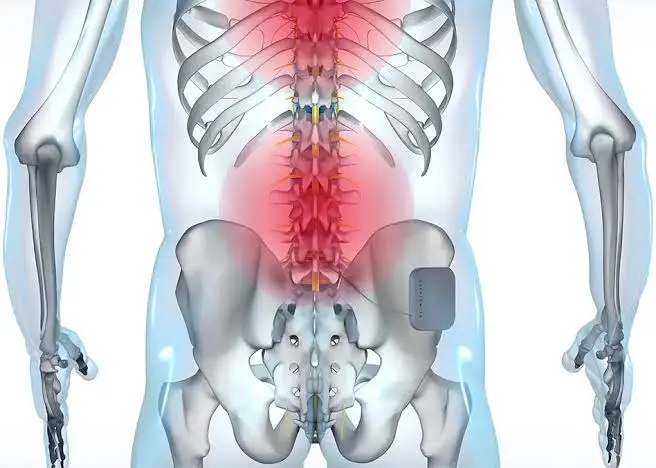
A lower back muscle strain can happen suddenly while lifting something heavy, playing sports, exercising, or even bending the wrong way.
While many mild strains improve with proper care, some people experience lingering pain that affects work, sleep, and daily activities. If your recovery seems slower than expected, there may be underlying factors delaying the healing process.
If you’re looking for a lower back muscle strain doctor in Monroe, understanding what slows recovery is the first step toward getting the right treatment.
Whether you live in Monroe Township, Jamesburg, East Windsor, Cranbury, Plainsboro, South Brunswick, or nearby communities in Middlesex County, timely evaluation can help prevent a minor injury from becoming a chronic problem.
Innovative Physical Therapy and Fitness Center provides personalized, non-surgical care to help patients recover safely, restore mobility, and return to their daily activities with confidence.
Key Takeaways
- Most muscle strains improve with proper treatment, but some factors can delay healing.
- Poor posture, returning to activity too soon, and untreated inflammation are common reasons for prolonged recovery.
- An accurate diagnosis is essential because not all lower back pain is caused by muscle strain.
- Non-surgical treatment can often help reduce pain and restore movement.
- Seeking care early may shorten recovery and lower the risk of recurring injuries.
What Is a Lower Back Muscle Strain?
A lower back muscle strain occurs when muscles or tendons in the lower back are overstretched or torn. This may happen because of:
- Heavy lifting
- Sudden twisting movements
- Sports injuries
- Poor lifting technique
- Repetitive movements
- Prolonged poor posture
While many people recover within a few weeks, healing time varies depending on the severity of the injury and how it is managed.
Signs You Shouldn’t Ignore
Symptoms may include:
- Localized lower back pain
- Muscle stiffness
- Difficulty bending or twisting
- Muscle spasms
- Tenderness to touch
- Pain that worsens with movement
If pain radiates into the legs, causes numbness, or is accompanied by weakness, another condition such as a disc injury may be involved and should be evaluated promptly.
What Slows Healing?
Several factors can delay recovery after a lower back muscle strain.
1. Returning to Normal Activities Too Soon
Many people feel slightly better after a few days and immediately resume heavy lifting or strenuous exercise.
Unfortunately, the injured muscles may not have healed completely, increasing the chance of reinjury.
Visiting a lower back muscle strain doctor can help determine when it’s safe to return to normal activities.
2. Poor Posture Throughout the Day
Spending long hours sitting with poor posture places additional stress on healing muscles.
Common posture-related issues include:
- Slouching while working
- Sitting without lumbar support
- Looking down at mobile devices
- Standing with uneven weight distribution
Correcting these habits supports faster recovery.
3. Skipping Rehabilitation Exercises
Pain often improves before muscles regain full strength.
Without proper rehabilitation:
- Core muscles remain weak.
- Flexibility decreases.
- Balance may be affected.
- Future injuries become more likely.
Targeted therapeutic exercises can restore strength and improve spinal stability.
4. Misdiagnosing the Problem
Not every episode of lower back pain is a muscle strain.
Similar symptoms can result from:
- Herniated discs
- Facet joint irritation
- Sacroiliac joint dysfunction
- Spinal stenosis
- Sciatica
A qualified lower back muscle strain doctor can identify the true source of pain through a comprehensive evaluation.
5. Ignoring Persistent Inflammation
Inflammation is a normal part of healing, but prolonged inflammation can slow tissue repair.
Without appropriate treatment, inflammation may continue to cause:
- Pain
- Muscle tightness
- Limited mobility
- Difficulty performing everyday tasks
Early intervention often helps reduce inflammation before it becomes a long-term issue.
Who Is Most at Risk?
Although anyone can develop a muscle strain, the risk increases for:
- Office workers
- Warehouse employees
- Healthcare professionals
- Construction workers
- Athletes
- Older adults
- Individuals with weak core muscles
Residents across Monroe Township, East Windsor, Jamesburg, Cranbury, and South Brunswick who perform repetitive lifting or prolonged sitting are particularly vulnerable.
When Should You See a Doctor?
You should consider scheduling an evaluation if:
- Pain lasts longer than two weeks.
- Symptoms continue to worsen.
- Walking becomes difficult.
- Muscle spasms are severe.
- Pain repeatedly returns.
- Daily activities become challenging.
An experienced lower back muscle strain doctor can determine whether your symptoms are due to a simple strain or another spinal condition requiring different treatment.
How Is a Lower Back Muscle Strain Diagnosed?
Diagnosis typically begins with:
- Medical history review
- Physical examination
- Assessment of range of motion
- Muscle strength testing
- Neurological evaluation
If necessary, imaging studies such as X-rays or MRI scans may be recommended to rule out other conditions.
Accurate diagnosis is the foundation of effective treatment.
Non-Surgical Treatment Options
Many patients recover successfully without surgery.
Treatment recommendations may include:
Physical Therapy
Customized exercises improve flexibility, strengthen supporting muscles, and restore mobility.
Chiropractic Care
Spinal assessments and manual therapy may help improve movement and reduce muscle tension in appropriate cases.
Soft Tissue Therapy
Targeted techniques help relieve muscle tightness and improve circulation.
Dry Needling
This technique may help reduce muscle trigger points contributing to ongoing pain.
Activity Modification
Temporary adjustments to work, exercise, and daily activities allow injured tissues to heal properly.
The right treatment plan depends on your symptoms, lifestyle, and overall health.
Daily Habits That Support Recovery
Simple lifestyle adjustments can make a meaningful difference.
Consider:
- Walking regularly
- Stretching gently
- Maintaining good posture
- Sleeping on a supportive mattress
- Staying hydrated
- Avoiding prolonged bed rest
- Lifting objects correctly
Consistency often plays a larger role in recovery than intensity.
Recovery Timeline
Recovery varies from person to person.
| Severity | Typical Recovery Time |
| Mild strain | 1–3 weeks |
| Moderate strain | 3–8 weeks |
| Severe strain | Several months |
Following your treatment plan closely can improve healing and reduce the likelihood of recurrence.
Why Early Evaluation Is Paramount
Waiting too long to seek care may allow:
- Compensation patterns to develop
- Muscle weakness to worsen
- Chronic pain to develop
- Daily function to decline
An early assessment by a lower back muscle strain doctor can identify contributing factors and create a personalized recovery plan before symptoms become more difficult to manage.
Serving Monroe and Nearby Communities
Patients from Monroe Township, Jamesburg, East Windsor, South Brunswick, Plainsboro, Cranbury, Old Bridge, and surrounding areas often seek care for lower back injuries caused by work, sports, or everyday activities.
Receiving timely, individualized treatment can help you return to normal life with greater confidence and reduced discomfort.
Conclusion
Healing from a lower back muscle strain is not simply about waiting for the pain to disappear. Factors such as poor posture, premature return to activity, untreated inflammation, and incorrect diagnosis can significantly slow recovery.
If your symptoms persist or repeatedly return, consulting a qualified lower back muscle strain doctor can help identify the underlying cause and guide you toward the most appropriate treatment.
Early care often leads to better outcomes, improved mobility, and a faster return to the activities you enjoy.
Schedule an Evaluation Today
If lower back pain is limiting your work, exercise, or everyday activities, don’t wait for it to become a long-term problem.
The experienced team at Innovative Physical Therapy and Fitness Center provides personalized evaluations and non-surgical treatment plans to help patients recover safely and return to the activities they enjoy.
Whether you’re in Monroe Township, Jamesburg, East Windsor, Cranbury, Plainsboro, South Brunswick, Old Bridge, or nearby communities, expert care is within reach.
Call Innovative Physical Therapy and Fitness Center today to schedule your appointment and take the first step toward lasting relief and improved mobility.
FAQS
1. When should I see a lower back muscle strain doctor?
If your pain lasts longer than two weeks, worsens over time, or limits your daily activities, it’s a good idea to schedule an evaluation to determine the cause and receive appropriate treatment.
2. How long does a lower back muscle strain usually take to heal?
Mild strains often improve within one to three weeks, while moderate or severe injuries may require several weeks or even months, depending on the extent of the damage and adherence to treatment.
3. Can I exercise with a lower back muscle strain?
Gentle movement is often encouraged, but strenuous activities and heavy lifting should generally be avoided until cleared by your healthcare provider. A rehabilitation program can help you return to activity safely.
4. What treatments are commonly recommended for lower back muscle strains?
Treatment may include physical therapy, activity modification, manual therapy, stretching, strengthening exercises, and other non-surgical approaches based on your individual condition.
5. Can a lower back muscle strain come back?
Yes. Without proper rehabilitation, posture correction, and strengthening exercises, a muscle strain may recur. Following your treatment plan and maintaining good back health can reduce the risk of future injuries.