
Back pain can be frustrating enough on its own. But when that pain starts travelling from your lower back into your buttock, thigh, or leg, you may wonder whether something more than a muscle strain is going on.
For people dealing with back pain New Jersey symptoms, one possible cause is sciatica. Sciatica refers to pain associated with irritation or compression of the sciatic nerve or its nerve roots. It can cause pain, tingling, numbness, or weakness that extends beyond the lower back.
If you’re in Monroe Township, understanding the signs can help you decide when it’s time to stop waiting for the pain to disappear and get a professional evaluation.
What Is Sciatica?
The sciatic nerve is the largest nerve in the body. It runs from the lower spine through the buttocks and down each leg.
Sciatica isn’t a condition by itself. Instead, it describes a group of symptoms that can occur when nerves in the lower spine become irritated or compressed. Common causes can include a herniated disc, spinal changes, or other conditions affecting the lower back.
This is why pain that travels into your leg can feel noticeably different from ordinary muscular soreness.
5 Signs Your Back Pain Could Be Sciatica
Not every case of lower back pain is sciatica. However, these symptoms may indicate that a nerve is involved.
1. Pain Travels From Your Back Into Your Leg
One of the most recognizable signs is pain that starts around the lower back or buttock and travels down one leg.
It may extend into the back of the thigh, calf, foot, or toes. The pain doesn’t necessarily have to affect the entire leg.
2. You Experience Tingling or Numbness
Does your leg sometimes feel like it’s “asleep”? Do you experience pins and needles or an area of reduced sensation?
These can be signs of nerve irritation. Persistent numbness shouldn’t simply be ignored, particularly if it is accompanied by increasing pain or weakness.
3. The Pain Feels Sharp or Burning
Sciatic pain isn’t always a dull ache.
People may describe it as:
- Sharp or shooting
- Burning
- Tingling
- Electric-shock-like
- Deep and radiating
The symptoms may also become more noticeable with prolonged sitting, coughing, sneezing, or certain movements.
4. One Leg Feels Weak
Nerve involvement can sometimes affect muscle strength. You may notice difficulty lifting your foot, climbing stairs, standing from a chair, or performing movements that previously felt easy.
New or worsening weakness deserves prompt professional attention.
5. Sitting or Moving Becomes Difficult
If driving to work, sitting at your desk, walking around the neighborhood, exercising, or even getting out of bed has become uncomfortable, your symptoms deserve attention.
Persistent back pain New Jersey residents experience shouldn’t be something you simply learn to live with.
Sciatica or Regular Lower Back Pain: What’s the Difference?
This is one of the most common questions people have.
Regular lower back pain can remain concentrated around the lower back and may result from muscle strain, poor movement patterns, overuse, or other musculoskeletal issues.
Sciatica is more likely to involve radiating symptoms. Pain, tingling, numbness, or weakness may travel from the lower back or buttock into the leg.
However, symptoms can overlap. That’s why an assessment by a physical therapist or other qualified healthcare professional is more useful than trying to identify the cause yourself.
Can Physical Therapy Help With Sciatica?
In many cases, physical therapy can be an important part of conservative care.
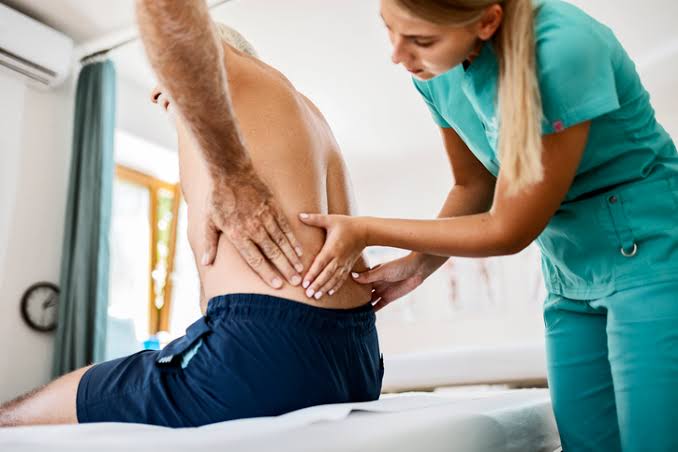
Treatment isn’t necessarily about simply treating the painful area. A physical therapist can assess your movement, strength, mobility, posture, and other factors that may be contributing to your symptoms.
Depending on your individual condition, treatment may include:
- Therapeutic exercises
- Core and lumbar strengthening
- Mobility exercises
- Manual therapy
- Movement and posture education
- Neuromuscular training
- Dry needling
The right combination depends on what’s causing your symptoms and how your body responds to treatment.
How Can Dry Needling Help With Back Pain?
Dry needling is a treatment technique used by trained physical therapists to address certain muscle-related pain and tension. It involves inserting very thin needles into targeted areas of muscle and is different from acupuncture in its approach and clinical purpose.
For some people with lower back pain, muscle tightness or trigger points may contribute to restricted movement and discomfort. Dry needling may be incorporated into a broader physical therapy programme when the therapist determines it is appropriate.
Importantly, it shouldn’t be viewed as a standalone solution for every case of sciatica. If nerve irritation is contributing to your symptoms, treatment should address the overall condition rather than focusing only on muscle tension.
At Innovative Physical Therapy and Fitness Center, the team uses dry needling and manual therapy among its treatment approaches for low back conditions, alongside strengthening, movement-based rehabilitation, and patient education.
When Should You Get Your Back Pain Evaluated?
Occasional back soreness may improve with appropriate activity modification and self-care. But ongoing or worsening symptoms are a good reason to seek professional guidance.
Consider an evaluation if you have:
- Pain that continues or keeps returning
- Pain travelling into your leg
- Persistent tingling or numbness
- Difficulty performing normal activities
- Increasing weakness
- Pain that is affecting your sleep or mobility
If you’re searching for help with back pain New Jersey symptoms in Monroe Township, an assessment can help determine whether you’re dealing with sciatica, a muscular problem, or another condition.
Know the Red Flags
Certain symptoms require urgent medical attention. Seek immediate medical care if back or leg symptoms are accompanied by new bowel or bladder control problems, significant weakness, or numbness around the inner thighs, buttocks, or genital region.
These symptoms can indicate a serious neurological problem and shouldn’t be managed through routine physical therapy alone.
A Better Approach to Managing Back Pain
Living with recurring pain can make you change the way you work, exercise, sleep, and move. But avoiding movement because you’re afraid of triggering pain may not address the underlying problem.
A proper assessment can help identify what is contributing to your symptoms and whether a structured rehabilitation programme is appropriate.
For patients dealing with back pain New Jersey concerns, Innovative Physical Therapy and Fitness Center takes a personalized approach to evaluation and rehabilitation. Its Monroe Township location is at 627 Spotswood Englishtown Road, Suite 4, and the clinic offers appointments for patients seeking physical therapy care.
Don’t Let Radiating Back Pain Keep You on the Sidelines
Sciatica can make everyday activities surprisingly difficult, especially when pain starts travelling into the leg. The good news is that experiencing these symptoms doesn’t automatically mean you need surgery.
The first step is understanding what’s actually causing your pain.
If you’re experiencing back pain New Jersey symptoms in Monroe Township, consider getting evaluated by a qualified physical therapy professional rather than continuing to guess at the cause. Innovative Physical Therapy and Fitness Center combines hands-on therapy with modern treatment techniques and personalized rehabilitation plans designed around each patient’s needs.
Ready to take the next step?
Schedule an appointment with Innovative Physical Therapy and Fitness Center or contact the Monroe Township clinic to discuss your symptoms and determine whether physical therapy may be right for you.
FAQs
1. How do I know if my back pain is sciatica?
Pain that travels from the lower back or buttock into one leg, particularly when accompanied by tingling, numbness, burning, or weakness, may indicate sciatica. A professional evaluation is needed to determine the actual cause.
2. Can physical therapy help with sciatica?
Yes. Depending on the cause and severity of your symptoms, physical therapy may include strengthening, mobility exercises, manual therapy, movement education, and other targeted techniques.
3. Is dry needling good for lower back pain?
Dry needling may help some patients when muscle tension or trigger points are contributing to their symptoms. A physical therapist can determine whether it is appropriate as part of a broader treatment plan.
4. Should I see a physical therapist for pain that travels down my leg?
If radiating pain persists, keeps returning, or affects your daily activities, an evaluation can help determine whether the symptoms are related to sciatica or another condition.
5. When is sciatica considered an emergency?
New bowel or bladder control problems, significant or rapidly worsening weakness, or numbness around the inner thighs, buttocks, or genital region require urgent medical attention.