
A lower back strain can start with something that seems minor. Maybe you lifted a heavy box, twisted suddenly, spent too long sitting, or pushed yourself harder than usual during exercise. At first, you might think the soreness will disappear after a few days.
Sometimes it does. But when pain continues, keeps returning, or starts interfering with everyday activities, ignoring it may allow the problem to become more difficult to manage.
If you’re wondering whether you need a lower back muscle strain doctor, understanding what can happen when a strain is left untreated can help you make a more informed decision about your next step.
What Is a Lower Back Muscle Strain?
A muscle strain occurs when a muscle or tendon is overstretched or damaged. In the lower back, this can happen during lifting, sudden movements, repetitive activity, sports, or poor movement mechanics.
Common symptoms can include:
- Aching or soreness in the lower back
- Muscle tightness or stiffness
- Pain when bending or twisting
- Difficulty standing up after sitting
- Muscle spasms
- Reduced range of motion
- Discomfort that becomes worse with certain activities
The severity can vary. A mild strain may improve with appropriate care, while a more significant injury may require professional evaluation and rehabilitation.
What Happens If You Ignore a Back Muscle Strain?
One of the biggest mistakes people make is assuming that continuing to experience pain is normal simply because the original injury wasn’t severe.
Ignoring the problem doesn’t necessarily mean it will become serious, but it can make it harder to identify what is contributing to your symptoms.
1. You May Start Moving Differently
When something hurts, your body naturally tries to protect the painful area.
You may start bending differently, shifting your weight, avoiding certain movements, or using other muscles to compensate. While this may temporarily reduce discomfort, these changes can place additional stress on other parts of your body.
Over time, poor movement patterns can become habits.
2. Your Back May Become Stiffer
Avoiding movement because you’re worried about pain can contribute to stiffness and reduced mobility.
For example, you might stop bending, stretching, walking, or exercising normally. As your activity decreases, returning to your usual routine can feel increasingly difficult.
A physical therapist can help determine which movements are appropriate and gradually restore mobility and strength.
3. You Could Lose Strength
When back pain keeps you from exercising or performing normal activities, your muscles may become less conditioned.
Your core and surrounding muscles play an important role in supporting movement. Rebuilding strength after an injury can help you return to activities more confidently and reduce the likelihood of repeatedly aggravating the area.
This is one reason rehabilitation can be useful even after the initial pain begins to improve.
When Should You Get Your Back Evaluated?
You don’t necessarily need professional treatment for every episode of mild back soreness. However, persistent symptoms deserve attention.
Consider speaking with a lower back muscle strain doctor or qualified physical therapy professional if your pain:
- Doesn’t seem to be improving
- Keeps returning
- Limits normal activities
- Makes exercise difficult
- Interferes with sleep
- Causes significant stiffness
- Gets worse instead of better
An evaluation can help determine whether you’re actually dealing with a muscle strain or whether another condition may be contributing to your symptoms.
Could It Be Something Other Than a Muscle Strain?
This is another reason not to ignore persistent back pain.
Lower back discomfort can have several possible causes. Muscle strain is one possibility, but symptoms may also be associated with problems involving discs, joints, nerves, or other structures.
Pain that travels down the leg, persistent numbness or tingling, or weakness may require a different type of evaluation than straightforward muscular soreness.
If your symptoms aren’t behaving like a typical strain, a lower back muscle strain doctor can help determine whether further evaluation is appropriate.
How Can Physical Therapy Help?
Physical therapy isn’t simply about treating pain after an injury. It can also focus on helping you understand why the problem happened and how to move safely again.
Depending on your individual condition, treatment may include:
- Therapeutic exercises
- Core strengthening
- Mobility exercises
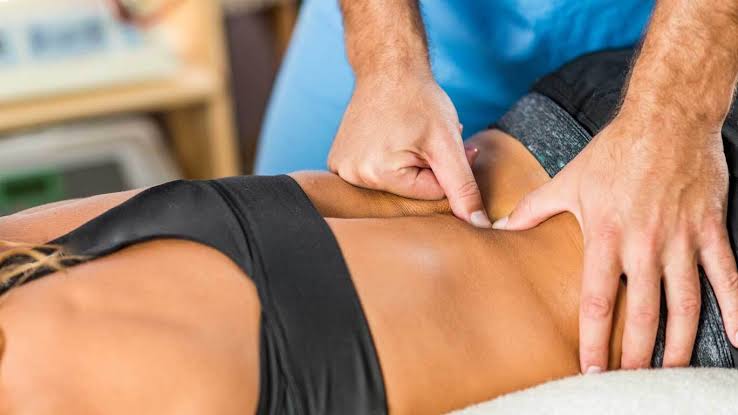
- Manual therapy
- Stretching
- Movement retraining
- Posture education
- Activity modification
The goal is to gradually improve strength, flexibility, movement, and confidence rather than rushing back into activities that may aggravate your symptoms.
For some patients, additional techniques such as dry needling may also be considered when muscle tension or trigger points are contributing to discomfort.
Looking for Lower Back Pain Treatment in Monroe?
If you’re dealing with persistent lower back pain in Monroe, New Jersey, you don’t have to wait until the discomfort significantly affects your routine before seeking guidance.
Innovative Physical Therapy and Fitness Center provides personalized physical therapy care designed around the individual’s condition, movement limitations, and recovery goals. The team can evaluate your symptoms and help determine an appropriate approach for getting back to normal activities.
Whether your pain started after lifting something, exercising, working at a desk, or simply appeared without an obvious cause, an evaluation can help you understand what may be happening.
A lower back muscle strain doctor can assess your symptoms and determine whether you may benefit from conservative treatment, physical therapy, or additional medical evaluation.
How Can You Reduce the Risk of Another Strain?
Once your symptoms improve, returning immediately to the exact activities that caused the problem may increase your chances of aggravating the area again.
Instead, consider gradually rebuilding your activity level.
Strengthening: Build the muscles that support your spine and pelvis.
Improving mobility: Work on flexibility and controlled movement.
Using proper lifting mechanics: Bend and lift in ways that reduce unnecessary strain.
Taking movement breaks: If you sit for long periods, regularly change positions and move around.
Progressing gradually: Increase exercise intensity instead of suddenly doing more than your body is prepared for.
A personalized rehabilitation plan can make these changes easier to implement.
Don’t Let a Small Strain Become a Bigger Disruption
A lower back muscle strain may begin as a minor inconvenience, but continuing to ignore pain can affect how you move, exercise, work, and participate in everyday activities.
If you’re experiencing persistent symptoms in Monroe, getting an evaluation can give you a clearer understanding of what’s happening and what you can do next.
Rather than simply waiting for the pain to disappear, consider speaking with a lower back muscle strain doctor or physical therapy professional who can evaluate your symptoms and guide you toward an appropriate treatment plan.
Innovative Physical Therapy and Fitness Center can help you take a proactive approach to recovery with individualized physical therapy and rehabilitation.
Ready to Take the Next Step?
Don’t let persistent lower back pain keep you from your normal routine. Contact Innovative Physical Therapy and Fitness Center to schedule an evaluation and discuss the right approach for your back pain.
FAQS
1. How long does a lower back muscle strain take to heal?
Recovery varies depending on the severity of the strain and the individual’s overall condition. Mild strains may improve relatively quickly, while more significant injuries can take longer.
2. Should I exercise with a lower back muscle strain?
Complete inactivity isn’t always necessary. However, exercises that increase your pain should be avoided until you’ve been properly evaluated. A physical therapist can help you determine which movements are appropriate during recovery.
3. Can a lower back strain come back?
Yes. Returning to strenuous activity too quickly, poor movement mechanics, inadequate conditioning, or repeatedly placing stress on the same area may contribute to recurring symptoms.
4. When should I see a lower back muscle strain doctor?
Consider seeking professional guidance when pain persists, repeatedly returns, limits daily activities, or is accompanied by symptoms such as numbness, tingling, or weakness.
5. Can physical therapy help with a lower back muscle strain?
Yes. Depending on the cause and severity of your symptoms, physical therapy may use strengthening, mobility exercises, manual techniques, dry needling, and movement education to support recovery and help you return to normal activities.