

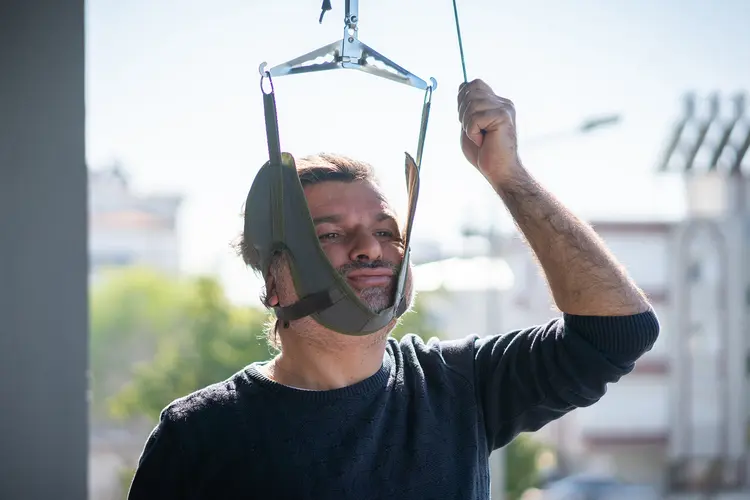
Cervical traction devices are an ideal solution to relieve pressure on the cervical spine!
The back pain covers a number of conditions affecting the spine. Before the treatment, it should be clarified where the pain emanates from. Thus, a cervical traction device is intended to affect the neck area, whereas the lower back is a different region which may require a separate intervention.
However, some people report pain in their neck, upper back, shoulders, and arms due to cervical disorders. In such cases, cervical traction, a tool designed for cervical spine decompression, may alleviate the symptoms with adjunctive physical therapy.
Though, you need to understand how this device is helpful in managing back pain.
What Is a Cervical Traction Device?
A cervical traction device is designed to provide controlled traction to the cervical spine, or neck, by applying a gentle pulling force. This treatment, also known as cervical decompression, may help reduce pressure on irritated structures, improve neck mobility, and relieve pain in selected patients. Cervical traction can be performed manually by a physical therapist or with a specialized mechanical traction machine.
A physical therapist may consider traction for conditions such as cervical radiculopathy, neck pain, cervical disc disorders, and limited neck mobility. However, traction is not appropriate for everyone and should be recommended based on an individual evaluation.
A 2024 physiotherapy survey reported that clinicians used traction as an adjunct to broader treatment plans for patients with cervical radiculopathy.
Can Cervical Traction Device Help with Back Pain?
You should be aware that a cervical traction device is not designed to address the pain in the lower back area. Instead, it targets the cervical area. However, sometimes the term ‘back pain’ is used for the discomfort affecting the neck region, upper back, shoulders, and arms. Thus, if someone’s symptoms are related to a cervical nerve root or spine, a cervical traction device is considered an ideal tool.
Cervical radiculopathy can cause neck pain, upper back discomfort, and radiating arm pain, along with numbness and tingling. Research suggests that adding cervical traction to physical therapy may help reduce pain and improve neck-related function in the short and intermediate term. However, evidence of sustained long-term benefits remains less consistent.
If a person’s discomfort is located in the lower part of the back, the physical therapist will address this issue using various interventions. These can include lumbar stabilization, mobilization, manual therapy, and therapeutic exercises depending on the underlying cause.
How Does Cervical Traction Device Work?
The basic mechanism of the cervical traction device involves applying a controlled pulling force on the cervical area. Depending on the strategy, the force can be continuous or intermittent. A therapist can also use various positions and angles to ensure that the treatment is effective.
The aim of the decompression is to:
- Reduce the mechanical load on the cervical tissues
- Relieve the pressure on the irritated nerve roots
- Reduce muscle spasms
- Improve the overall functionality of the neck area to allow for the recovery
Cervical traction may provide symptom relief for selected patients, but its effectiveness depends on the underlying condition and individual response to treatment. A physical therapist can determine whether traction is appropriate as part of a broader rehabilitation plan.
When Can Cervical Traction Device Be Useful in Spine Pain Management?
A physical therapist can consider using a cervical traction device when the patient’s symptoms are related to the cervical area. In fact, it is necessary to conduct an evaluation to understand whether the cervical spine is involved in the pain mechanism.
The cervical traction can be used for a number of conditions affecting the cervical area. For instance, traction is beneficial for people with cervical radiculopathy if it is accompanied by neck pain and reduced range of motion or stiffness. Another indication for cervical traction includes cervical nerve root impingement or cervical disc herniation. Other presentations which might benefit from cervical traction include pain in the neck area with limited mobility, stiffness in the cervical area, or pain radiation from the neck to the upper back, arm, or shoulder.
If you have a dull ache or sharp pain in the neck area, which radiates to the upper back or arms, take consultation from our specialists at Innovative Physical Therapy and Fitness Center for an evaluation.
Is Cervical Traction Device Safe to Use at Home?
A home cervical traction device may be beneficial for some people with cervical spine pain. However, it should not be used as a ‘panacea’ for neck discomfort. The reason is that the effectiveness of traction depends on a number of factors, including the underlying cause, symptomatology, load intensity, patient positioning, and others. Moreover, if someone uses a traction device inappropriately, it can lead to worsening of the symptoms rather than improvement.
Physical therapy intervention is crucial if the person has radiation of the symptoms to the arm, neck stiffness or limited mobility, numbness, or weakness. The physical therapist will conduct an examination to assess the mobility of the cervical area, neurological function, and other factors. Depending on the results, they will recommend whether a cervical traction device is needed.
When Should I Consult a Physical Therapist for Cervical Pain?
Neck pain should not be ignored when it interferes with daily activities, sleep, work, athletic performance, or normal mobility. Consider scheduling a physical therapy evaluation at Innovative Physical Therapy and Fitness Center if you experience any of the following symptoms:
- Persistent neck pain
- Pain radiating from the neck into the shoulder or arm
- Numbness or tingling in the arm, hand, or upper back
- Reduced neck range of motion or stiffness
- Recurrent neck discomfort
- Arm weakness, burning, or unusual sensations
- Difficulty participating in normal activities because of pain
A physical therapy evaluation can help identify the underlying cause of these symptoms, which may include cervical spine problems, muscle strain, or nerve irritation. Our physical therapist will assess your neck mobility, strength, and symptoms to determine whether they are related to the cervical spine. We evaluate whether a cervical traction device is appropriate or whether another physical therapy treatment would be more beneficial.
FAQ
Can a cervical traction device help with upper back pain?
A cervical traction device can help relieve discomfort in the upper back area if the symptoms are caused by a cervical spine issue. If you are unsure whether your symptoms are in your neck or upper back area, come to Innovative Physical Therapy and Fitness Center for an evaluation.
Can cervical traction help a pinched nerve?
Cervical traction can be used for a pinched nerve in the neck area. In fact, there is evidence that cervical traction adjunct to physical therapy interventions helps reduce the pain in the short and intermediate terms in patients with cervical radiculopathy.
Can I use cervical traction every day?
It depends on the underlying cause, symptomatology, and other individual factors. Follow the recommendations of a specialist rather than trying to target the discomfort on your own.
Is cervical traction the same as physical therapy?
No, traction is a form of physical therapy. Thus, a physical therapy session can include a number of interventions, whereas traction is used to decompress the cervical spine. An individual treatment plan for physical therapy for pain management usually includes therapeutic physical exercises, manual therapy, postural correction, and others.