

Neck pain has quietly become one of the most common health concerns among working professionals, seniors, students, and even teenagers.
Long hours at a desk, constant smartphone use, poor posture, sports injuries, and age-related spinal changes can all contribute to ongoing discomfort that affects daily life.
Many residents across Kendall Park are now looking for non-surgical, evidence-based ways to manage persistent neck pain before considering invasive treatments.
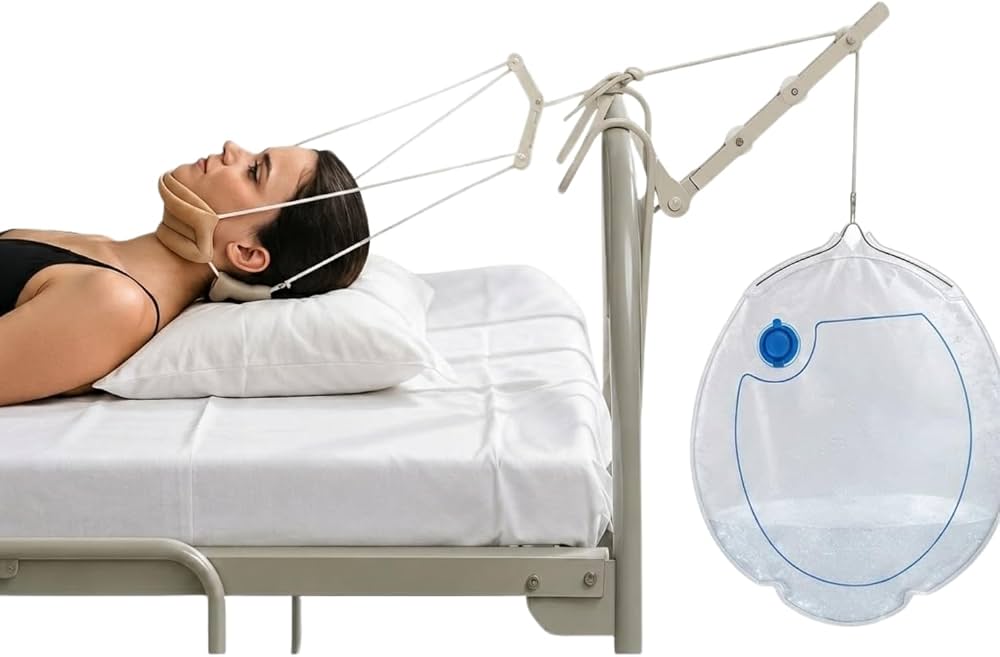
One option gaining attention is the cervical traction devices, especially when recommended as part of a personalized physical therapy program.
Innovative Physical Therapy and Fitness Center provides comprehensive evaluations to determine whether traction therapy is appropriate for each patient’s specific condition.
Rather than offering a one-size-fits-all solution, experienced physical therapists develop customized treatment plans designed to reduce pain, restore movement, and help patients return to the activities they enjoy.
Whether you commute daily, work from home, spend weekends at Kendall Park, visit South Brunswick Township, travel through New Brunswick, or enjoy walks at Woodlot Park, healthy neck movement makes everyday life significantly easier.
Key Takeaways
- Neck pain affects people of every age group.
- A cervical traction device may help relieve pressure on compressed spinal structures when recommended by a healthcare professional.
- Physical therapy addresses the underlying cause rather than simply masking symptoms.
- Personalized treatment often delivers better long-term outcomes than self-treatment alone.
- Early intervention can help prevent chronic pain and improve mobility.
Why Neck Pain Is Becoming More Common in Kendall Park
Many lifestyles today place tremendous stress on the cervical spine.
Common contributing factors include:
- Working on computers for 8–10 hours daily
- Poor workstation ergonomics
- Looking down at phones
- Long commutes
- Stress-related muscle tension
- Previous car accidents
- Sports injuries
- Degenerative spinal conditions
Even small habits repeated every day can eventually create significant discomfort.
Understanding How a Cervical Traction Device Works
A cervical traction device gently stretches the neck by creating controlled separation between the cervical vertebrae. This process may temporarily reduce pressure on nerves, muscles, and spinal discs while encouraging improved movement.
When incorporated into a professionally supervised rehabilitation program, traction therapy may help:
- Reduce nerve compression
- Improve neck mobility
- Ease muscle tightness
- Support disc recovery
- Improve posture awareness
- Decrease radiating arm pain
It is important to understand that traction is not suitable for everyone. Proper assessment is essential before beginning treatment.
Who May Benefit From Cervical Traction?
| Condition | May Benefit From Traction? | Physical Therapy Needed? |
| Herniated cervical disc | Often | Yes |
| Pinched nerve | Often | Yes |
| Cervical radiculopathy | Often | Yes |
| Chronic neck stiffness | Sometimes | Yes |
| Muscle spasm | Sometimes | Yes |
| Degenerative disc disease | Depends on evaluation | Yes |
| Postural neck pain | Sometimes | Yes |
Why More Kendall Park Residents Are Choosing Conservative Care
Many people want pain relief without immediately turning to injections or surgery.
Physical therapy offers a structured approach focused on improving function while addressing the root cause of symptoms.
Patients commonly appreciate:
- Individualized treatment plans
- Exercise-based recovery
- Hands-on manual therapy
- Education on posture and ergonomics
- Long-term prevention strategies
- Progress monitoring
When appropriate, a cervical traction device may become one component of this comprehensive treatment plan rather than the only treatment being used.
Local Lifestyle Factors That Can Contribute to Neck Pain
People living around Kendall Park often spend long periods driving to nearby communities like Princeton, Franklin Park, North Brunswick, and Piscataway for work or school. Combined with desk jobs and increased screen time, these habits can place continuous strain on the neck.
Weekend activities, gardening, home improvement projects, recreational sports, or simply carrying children can also aggravate existing neck problems.
These everyday demands make early treatment especially valuable before pain begins interfering with work, sleep, or recreation.
Signs You Should Schedule a Physical Therapy Evaluation
If you’re experiencing any of the following, professional evaluation is recommended:
- Neck pain lasting more than two weeks
- Pain traveling into the shoulder or arm
- Tingling or numbness
- Frequent headaches beginning at the neck
- Reduced range of motion
- Pain while driving
- Difficulty sleeping because of neck discomfort
- Recurring episodes of stiffness
Ignoring these symptoms may allow the condition to worsen over time.
Looking for Personalized Neck Pain Relief?
If neck pain is limiting your daily activities, the team at Innovative Physical Therapy and Fitness Center can evaluate your condition and determine whether treatments like a cervical traction device, manual therapy, and targeted exercises are right for you.
Early care often leads to faster recovery and better long-term outcomes.
Treatment Usually Involves More Than One Technique
Traction is most effective when combined with other evidence-based interventions.
| Treatment Method | Primary Purpose | Often Combined With Traction |
| Manual therapy | Improve joint mobility | Yes |
| Therapeutic exercises | Strengthen supporting muscles | Yes |
| Posture correction | Reduce daily strain | Yes |
| Stretching program | Improve flexibility | Yes |
| Ergonomic education | Prevent recurrence | Yes |
| Home exercise plan | Maintain progress | Yes |
This comprehensive approach helps address both symptoms and the underlying mechanical issues contributing to neck pain.
Decision Tree: Is a Cervical Traction Device Right for You?
Neck Pain
↓
Pain for More Than 2 Weeks?
↓
Arm Pain / Numbness / Tingling?
↓
Physical Therapy Evaluation
↓
Comprehensive Assessment
↓
Traction Appropriate?
↙ ↘
Yes No
↓ ↓
Traction + Alternative
Exercise Treatment
Neck Pain Self-Care Checklist
Before your appointment, review this checklist:
- Pain has persisted for more than two weeks
- Pain increases while working at a computer
- Turning your head feels difficult
- Headaches begin from the neck
- Pain travels into the shoulder or arm
- Poor posture worsens symptoms
- Sleep is interrupted by neck discomfort
- Daily activities are becoming more difficult
If several of these apply to you, a professional assessment is worth considering.
Expert Insight
Physical therapists evaluate much more than the location of pain. They assess posture, joint mobility, muscle strength, movement patterns, nerve involvement, work habits, and lifestyle factors before recommending treatment.
This individualized approach helps ensure that interventions, including the use of a cervical traction device when appropriate, are selected based on clinical findings rather than assumptions.
Why Personalized Physical Therapy Makes a Difference
Every patient experiences neck pain differently.
One individual may need posture retraining, while another benefits from strengthening exercises, manual therapy, ergonomic modifications, or supervised traction.
Rather than relying on temporary pain relief alone, personalized rehabilitation aims to improve movement quality, reduce recurring symptoms, and support long-term spinal health.
This patient-centered approach is one reason many residents throughout Kendall Park continue choosing physical therapy as their first step toward recovery.
Conclusion
Persistent neck pain doesn’t have to become part of your everyday routine. Seeking care early can help identify the underlying cause and create a treatment plan tailored to your needs.
For many patients, a cervical traction device may be a valuable part of recovery when used under professional guidance alongside targeted physical therapy and exercise.
At Innovative Physical Therapy and Fitness Center, every treatment plan is built around the individual, not just the symptoms.
If you’re ready to move more comfortably, reduce pain, and return to your normal activities with confidence, schedule a comprehensive evaluation today and discover a personalized path toward lasting neck pain relief.
FAQs
1. What is a cervical traction device?
A cervical traction device is designed to gently stretch the neck under controlled conditions, helping reduce pressure on certain spinal structures when recommended by a qualified healthcare professional.
2. Is cervical traction safe?
For many patients, traction can be safe when prescribed after a thorough evaluation. However, it is not appropriate for everyone, particularly individuals with certain spinal conditions or medical concerns.
3. How many physical therapy sessions might I need?
Treatment plans vary depending on your diagnosis, symptom severity, overall health, and rehabilitation goals. Your therapist will recommend a schedule based on your individual evaluation.
4. Can traction replace physical therapy?
No. Traction is generally one component of a broader rehabilitation program that may also include strengthening exercises, manual therapy, mobility work, posture correction, and education.
5. When should I seek professional help for neck pain?
If neck pain lasts longer than two weeks, radiates into the arms, causes numbness, limits daily activities, or continues to worsen, scheduling an evaluation with a physical therapist is recommended.